


For individuals diagnosed with Celiac Disease, diet plays a crucial role in maintaining health and preventing symptoms. Celiac disease is an autoimmune condition in which the body reacts negatively to gluten, a protein found in wheat, barley, and rye. When someone with this condition eats gluten, the immune system attacks the lining of the small intestine, damaging the villi that help absorb nutrients.
The only effective treatment for celiac disease is a strict, lifelong gluten-free diet. By eliminating gluten from daily meals, individuals can allow the intestine to heal and reduce the risk of long-term complications.
Understanding Gluten and Why It Must Be Avoided
Gluten is commonly found in many staple foods such as bread, pasta, cereals, and baked goods. It gives dough its elasticity and helps foods maintain their shape. However, for people with celiac disease, consuming gluten triggers an immune reaction that damages the digestive system.
Even small amounts of gluten can cause symptoms and intestinal injury, making careful food selection essential.
Foods That Must Be Avoided
To follow a gluten-free diet successfully, individuals with Celiac Disease must avoid foods containing gluten. The most common sources include:
- Wheat and wheat products
- Barley
- Rye
- Traditional breads and pastries
- Regular pasta and noodles
- Many breakfast cereals
- Baked goods made with wheat flour
Processed foods may also contain hidden gluten in ingredients such as flavorings, thickeners, or sauces. Reading food labels carefully is very important.
Naturally Gluten-Free Foods
Fortunately, many healthy foods are naturally gluten-free and safe for people with celiac disease. Building meals around these foods makes it easier to maintain a balanced diet.
Fruits and Vegetables
Fresh fruits and vegetables are excellent choices because they are naturally gluten-free and rich in vitamins, minerals, and antioxidants. Eating a variety of colorful produce helps support overall health.
Lean Proteins
Protein sources that do not contain gluten include:
- Fresh poultry
- Fish and seafood
- Eggs
- Beans and lentils
- Tofu
These foods provide essential nutrients for muscle health and immune function.
Gluten-Free Grains
Although wheat must be avoided, several grains are safe alternatives, including:
- Rice
- Quinoa
- Corn
- Millet
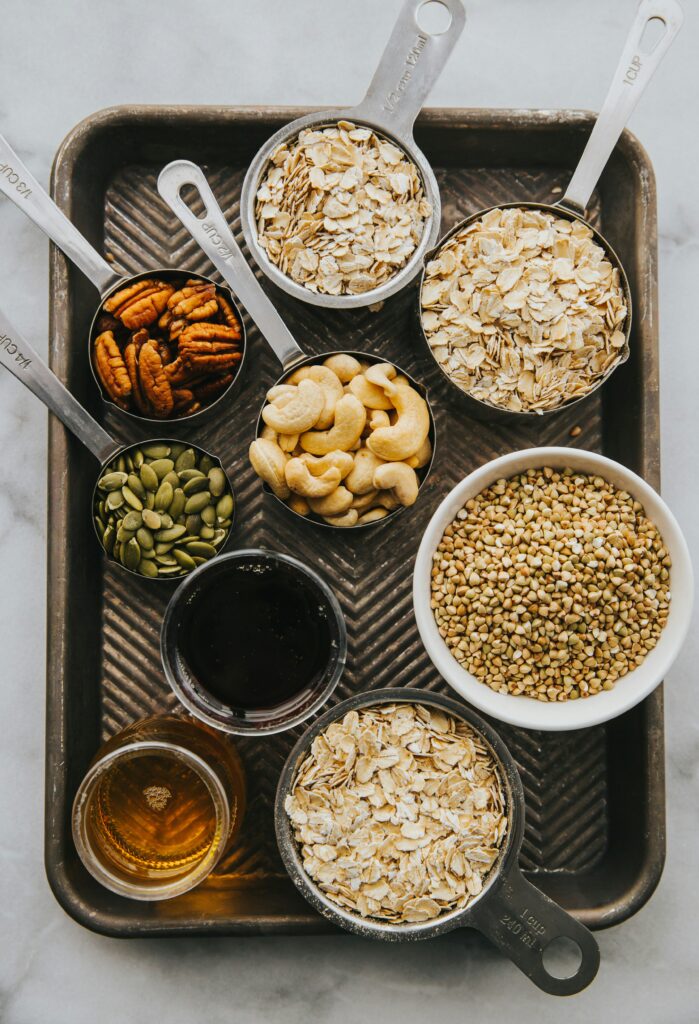
- Buckwheat
- Certified gluten-free oats
These grains provide energy, fiber, and important nutrients while replacing traditional wheat-based products.
Dairy Products
Milk, yogurt, and cheese are usually gluten-free and provide calcium and protein. However, flavored or processed dairy products should always be checked for gluten-containing additives.
Nuts and Healthy Fats
Nuts, seeds, and healthy oils such as olive oil or avocado oil are safe and provide essential fats that support heart and brain health.
Preventing Cross-Contamination
For people with Celiac Disease, avoiding gluten involves more than just choosing the right foods. Cross-contamination can occur when gluten-free foods come into contact with gluten-containing ingredients.
Common sources of cross-contamination include:
- Shared toasters
- Cutting boards used for regular bread
- Cooking utensils used for gluten foods
- Frying oil used for both gluten and gluten-free items
Maintaining separate cooking tools and careful kitchen practices can help prevent accidental gluten exposure.
Tips for Maintaining a Balanced Gluten-Free Diet
Adopting a gluten-free lifestyle may feel challenging at first, but with good planning it becomes much easier. Helpful strategies include:
- Reading food labels carefully
- Cooking meals at home more often
- Choosing whole, minimally processed foods
- Planning meals in advance
- Learning which ingredients may contain hidden gluten
These habits can make the gluten-free diet more sustainable and nutritionally balanced.
Health Benefits of Following a Strict Gluten-Free Diet
When people with Celiac Disease eliminate gluten from their diet, they often experience significant improvements in their health. Benefits may include:
- Improved digestion
- Increased energy levels
- Better nutrient absorption
- Reduced inflammation
- Healing of the intestinal lining
Following the diet consistently can also lower the risk of long-term complications.
Final Thoughts
Managing Celiac Disease requires lifelong attention to food choices, but a well-planned gluten-free diet can provide all the nutrients needed for a healthy lifestyle. By focusing on naturally gluten-free foods such as fruits, vegetables, lean proteins, and gluten-free grains, individuals can enjoy a wide variety of meals without compromising their health.
With knowledge, careful label reading, and thoughtful meal preparation, living gluten-free becomes a manageable and rewarding way to protect long-term well-being.
Best foods for people with celiac disease
Celiac Disease Diet- A Complete Guide to Eating Safely and Living Well